
Handyman Plumbing Repair in the Phoenix Area
Small plumbing problems get expensive when ignored. We fix the everyday ones: drips, running toilets, clogged drains, failing shutoff valves and fixtures that need replacing.
What We Do
- Faucet repair and replacement
- Toilet repair (running, wobbling, leaking)
- Garbage disposal installation
- Under-sink leak repair
- Shutoff and angle-stop valves
- Showerheads and fixtures
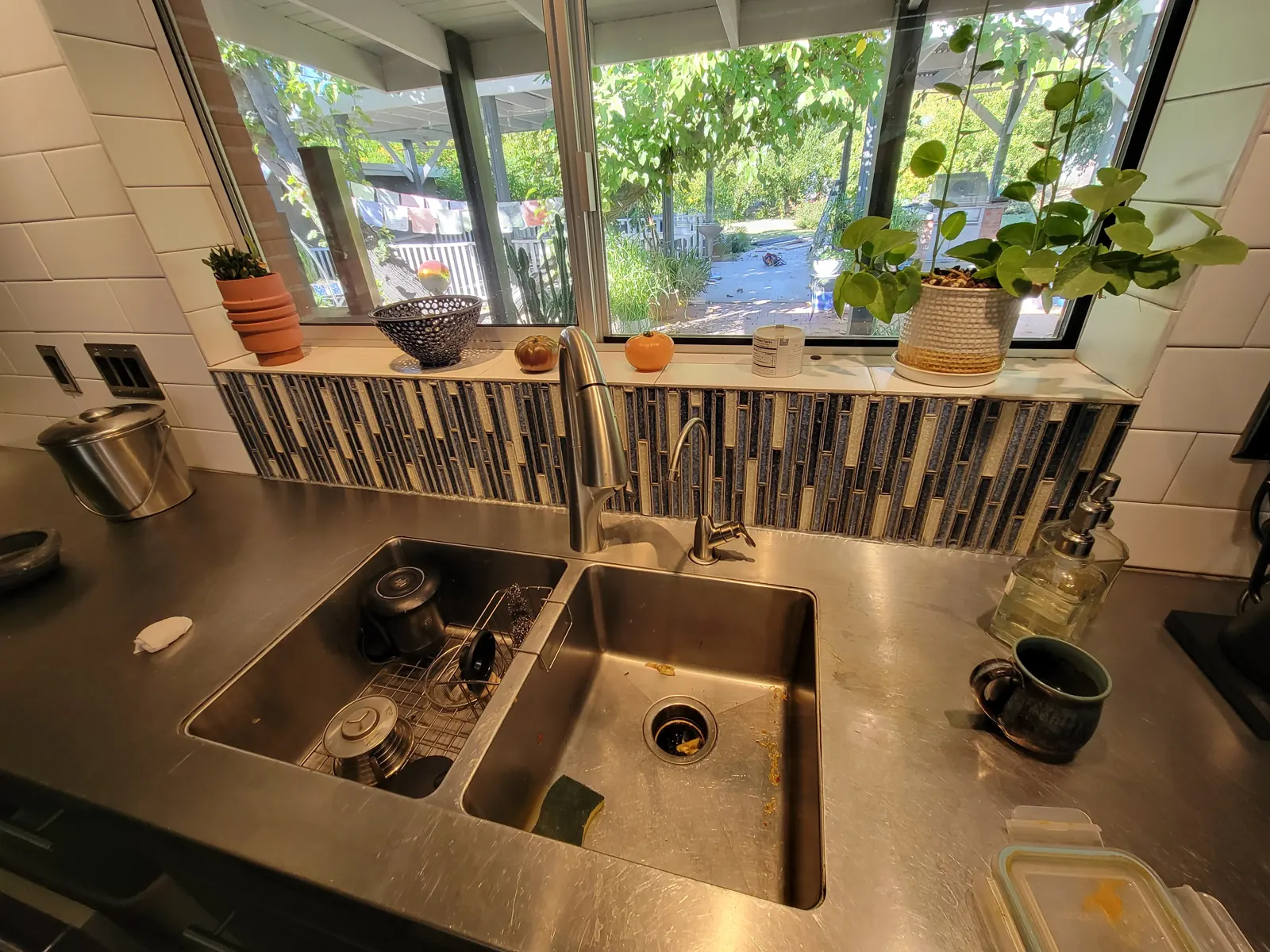
Plumbing trouble tends to announce itself in small ways first: a faucet that takes a moment to run clear, a toilet that refills on its own, a cabinet floor that feels slightly soft. Catching those early is the difference between replacing a twenty-minute part and replacing a cabinet base. Here is how we approach everyday plumbing repair and where we draw the line.
Early warning signs worth acting on
Drips and noises are the first clues. A faucet that drips overnight is wearing out a cartridge or seat. A toilet that runs briefly every so often has a flapper or fill valve that is not sealing. Water hammer, a bang when a valve closes, points to a pressure or support issue in the lines.
The quiet signs matter more. A damp cabinet floor, a musty smell under a sink, rust-colored staining on a shutoff valve or a water bill that climbs without a change in habits can all point to a slow leak. A simple check is to look under every sink with a flashlight and run a dry finger along the supply lines and the valve stems.
- Drips from a faucet spout or around its base
- Toilet that runs, rocks, or leaves a water ring on the floor
- Green or white crust on valves and connections
- Slow drains in one fixture only
- Low flow at one faucet while others are normal
How a typical repair goes, from shutoff to test
Every repair begins with the shutoff. We locate the fixture's own stop valve or the main, and we test that it actually closes. In older homes it often does not, and that is a repair in its own right. Replacing a failed shutoff valve makes every later repair simpler and safer for the home.
Then we diagnose before we replace. A faucet leaking at the spout is a different repair from one leaking at the handle or base. We replace the failing part, whether that is a cartridge, seat, flapper, fill valve, supply line or the whole fixture, reassemble and run it through its full range. We check the connections dry, wipe them, and check again after the water has run so a slow weep does not slip by.
Finally we clean up and show you what failed. Seeing the worn part makes the repair easy to understand, and it tells you what to watch for on the other fixtures in the house.
What hard water and desert conditions do to fixtures
Valley water is hard, and mineral scale is the single biggest reason fixtures fail early here. Scale builds on aerators, cartridges and the inside of showerheads, and it grinds on rubber seals. A faucet that would last a long time in soft-water regions may need a new cartridge sooner.
Heat plays its part too. Plastic supply lines and shutoff components in attics, garages and exterior hose bibs endure wide temperature swings. Outdoor spigots can crack from heat cycles and the occasional winter freeze in cooler pockets like Cave Creek and New River. Replacing brittle supply lines before they fail is cheap insurance against a flooded cabinet.
Common DIY mistakes that make a leak worse
Overtightening is the classic. Cranking on a compression nut or a plastic connector cracks it, and a small drip becomes a spray. Using the wrong thread sealant, or sealant where a gasket belongs, causes slow leaks that are harder to find later. Mixing metals at a connection can also lead to corrosion down the road.
Another frequent issue is replacing a fixture without replacing the worn stop valve under it. The new faucet is fine, but the old valve then fails or will not shut off the next time someone needs it. We replace the valve while we are there when it is the weak link.
Chemical drain cleaners deserve a mention as well. They can damage older pipes and fixtures and are hazardous to anyone who must work on the drain afterward. If a drain is stubborn, tell us what you have already tried.
What affects the cost of a plumbing repair
The factors are mostly about access and parts. A kitchen faucet with a clear cabinet below goes faster than one installed in a tight vanity. The condition of the existing shutoff valves, the age and type of the supply lines, whether the fixture is standard or specialty, and whether you supply the new fixture or we source it all shape the quote.
Bundling helps. If a faucet, a toilet fill valve and a disposal all need attention, one visit is usually more efficient than three. Send us the list and we will price the whole thing.
What to have ready before we arrive
Clear the space under the sink and around the toilet, and if you have the new fixture, keep the box and instructions handy. Photos of the problem and of the model name or number on the existing fixture help us bring the right parts. If you know where your main water shutoff is, show us on arrival, and tell us if it has ever been difficult to turn.
If a leak is active right now, close the fixture's stop valve or the main and place a bucket. That alone limits the damage until we can get there.
When we will recommend a plumber instead
Our work is repairs and fixture swaps. Re-piping, moving or adding lines, water heater replacement, main line or sewer problems, gas lines and anything involving a permit or a specialist license are for a licensed plumbing contractor. We will tell you honestly when your situation falls into that category. If a leak has already damaged cabinets, drywall or flooring, we can handle that repair afterward.
Plumbing Repair Near You
Pick your city to see how we handle plumbing repair there.
Common Plumbing Repair Jobs
Frequently Asked Questions
What plumbing can a handyman do?
Repairs and fixture swaps such as faucets, toilets, disposals, valves and drains are routine. Larger work like re-piping or moving lines is a job for a plumbing specialist, and we will say so.
Why does my faucet keep dripping?
Usually a worn cartridge or washer. Valley hard water speeds that up, and replacing the part typically solves it.
Can you replace my kitchen faucet?
Yes. Bring the new faucet or we can source one with you. Installation includes new supply lines when needed.
Why is the water pressure low at just one faucet?
Often it is a clogged aerator or a partly blocked cartridge from mineral scale. Cleaning or replacing those parts usually restores flow. If pressure is low throughout the house, the cause is elsewhere and may need a plumber.
Should I replace my old shutoff valves?
If they are stiff, weeping, or have not been turned in years, yes. A valve that will not close is a problem waiting for the worst moment. Replacing them during a fixture swap is efficient.
Is a garbage disposal hard to replace?
The swap itself is routine when the sink flange and drain layout are compatible. We check the electrical connection and the drain alignment first and tell you if anything else needs attention.
My toilet keeps running. Is that a big repair?
Usually not. A worn flapper, fill valve or flush valve seal is typical, and it is a common fix. A constantly running toilet can waste a lot of water, so it is worth correcting promptly.
Recent Work Around the Valley
Ready to check one more thing off your list?
Free estimates. Upfront pricing. 100% satisfaction guaranteed.