
Painting Services in the Phoenix Area
Paint only looks as good as the prep under it. We patch, caulk, sand and prime before we paint, and we protect your floors and furniture. From a single room to cabinets, trim, doors and exterior touch-ups, the work is done cleanly and priced up front.
What We Do
- Interior walls and ceilings
- Cabinet painting
- Trim, baseboards and doors
- Exterior touch-ups and front doors
- Fence and gate staining
- Drywall patch-and-paint repairs
- Color matching
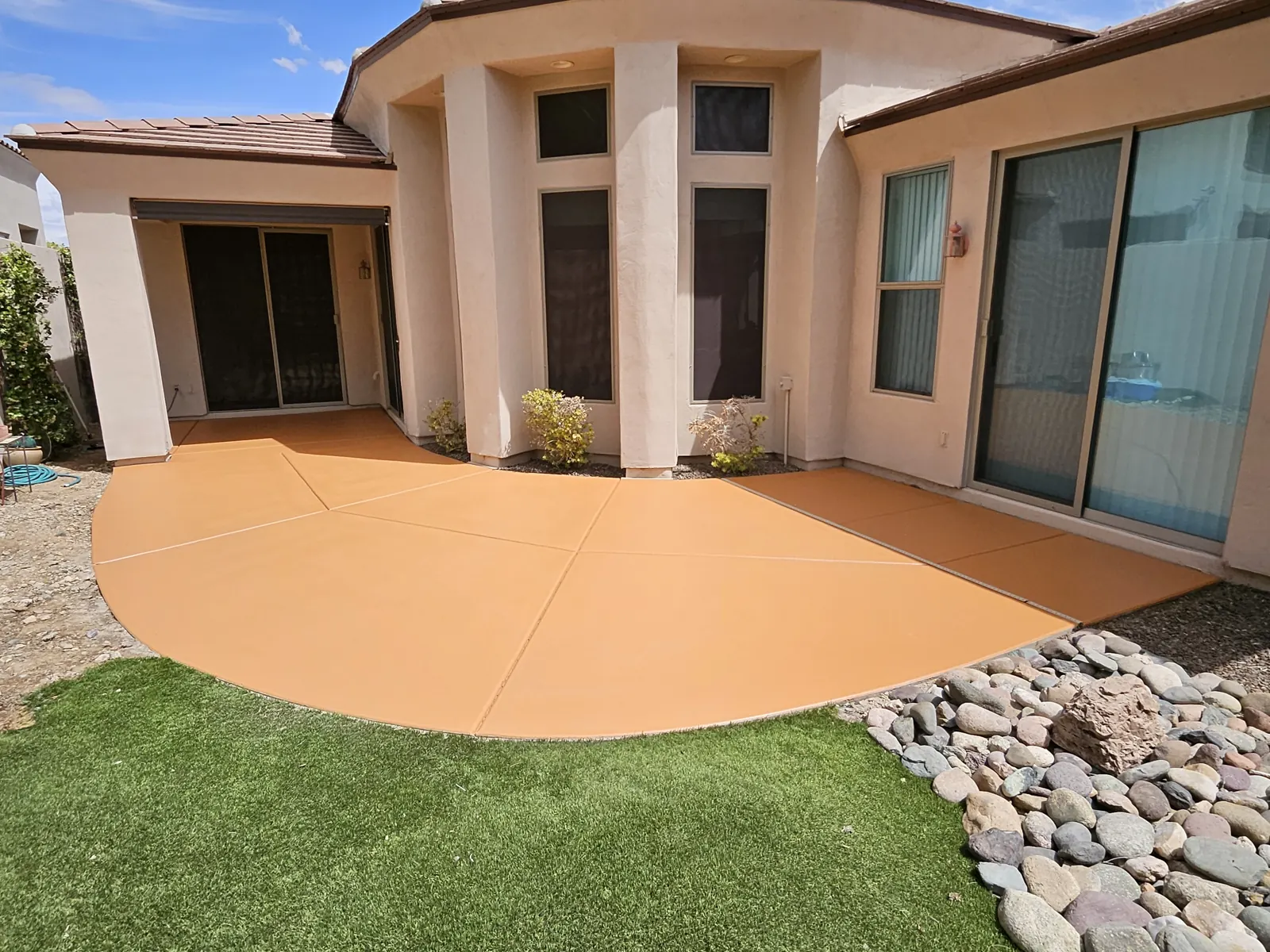
A paint job is judged on what you see, but it is decided by what you cannot: the surface prep, the primer, the product chosen, and the conditions on the day it was applied. In a climate with intense sun, dry air and fine dust, those details matter even more. This guide explains how we approach painting and what is worth knowing before you choose colors.
Signs your paint is ready for a refresh
Fading, chalking and peeling are the obvious ones. Run a hand across an exterior wall: if color comes off as a powder, the binder has broken down. Hairline cracks in the paint film, bubbling, or bare spots on south and west facing surfaces mean the coating is no longer protecting what is under it.
Inside, the signs are different. Scuffs that will not wipe clean, yellowing in white trim, dull patches where repairs were made and walls that look flat under bright light all say the paint has had its time. Sometimes the trigger is simply a new floor or a new piece of furniture that makes the old color look tired.
- Chalky residue when you rub an exterior wall
- Peeling or flaking on trim, doors and fascia
- Cracking caulk at windows and trim joints
- Stains and patches from past repairs
- Doors and cabinets with worn, sticky or chipped finish
Prep, the part that decides how long it lasts
We spend more time preparing than painting, and that is by design. We protect floors, furniture and fixtures, then clean surfaces and remove dust and grease. Loose paint is scraped, rough areas are sanded, and nail holes, dents and cracks are filled. Caulk is applied at trim and joints so the lines are crisp.
Primer follows where it is needed: over bare patches, repairs, stains and color changes. Spot priming repairs prevents the flashing that makes patches visible. Stain-blocking primer is used where there is a water stain, and a bonding primer where the surface is glossy or hard to grip, such as old cabinets.
How we paint: coats, cut lines and finish
We cut in the edges first, then roll the open areas, working wall by wall to keep a wet edge so there are no lap marks. Two coats are standard because one coat rarely delivers true color or even coverage, especially when moving from dark to light or the reverse.
Sheen is part of the plan. Flat hides imperfections on walls and ceilings, while eggshell and satin are easier to clean in busy rooms, and semi-gloss holds up on trim, doors and kitchen or bath surfaces. For cabinets we use a product made for the purpose, because ordinary wall paint stays soft and chips. We remove doors and hardware, sand, prime and apply thin coats for a smooth, durable result.
Arizona conditions: sun, heat, dust and the painting calendar
Sun is the biggest enemy of exterior paint here. Ultraviolet exposure fades color and breaks down the film, so quality exterior products and regular touch-ups on the sunniest sides matter. Dark colors absorb more heat and can fade or fail sooner than lighter shades, which is worth considering when you pick a front door or trim color.
Temperature affects the work itself. Paint applied to a surface in direct, hot sun can dry too fast, causing lap marks, poor adhesion and blistering. We plan exterior work around shade and the cooler parts of the day. Dust is another factor: it settles on wet paint, so we clean surfaces right before painting and manage airflow indoors. Stucco, common across the valley, is porous and needs proper filler and primer before color goes on.
Common mistakes and DIY problems
Skipping prep is number one. Painting over dust, grease or loose paint guarantees peeling. Next is using the wrong product: interior paint outdoors, or wall paint on cabinets and trim. Overloading the roller or brush causes drips and a rough texture, and rushing the second coat before the first has dried pulls the film up.
Color choices also trip people up. A sample on a small card looks different on a large wall, in different light and at different times of day. We recommend testing a swatch on the wall itself and looking at it morning and evening before committing.
What affects the cost of a paint job
The factors are surface area, ceiling height, the amount of prep and repair, the number of coats, the type of surface, and whether we supply the paint. Cabinets and trim involve far more handwork per square foot than open walls. Color changes from dark to light can add coats. Exterior work depends on access, the height of the surface and the condition of the existing finish.
Rooms with extensive drywall patching, stained ceilings or heavy furniture to move involve more labor than a clean, empty room. A walk-through or clear photos let us give an accurate upfront price.
What to do before we arrive, and when to call a painting crew
Choose your colors and finishes ahead of time if you can, or ask us for guidance. Clear small items off the walls and counters, and let us know about pets or anything fragile. Tell us about any stains or repairs you have noticed so we can plan the prep.
Our focus is rooms, cabinets, trim, doors, repairs and exterior touch-ups. For a full multi-story exterior repaint or an entire large home, a dedicated painting crew with scaffolding and sprayers may be the more efficient choice, and we will say so.
Painting Near You
Pick your city to see how we handle painting there.
Frequently Asked Questions
Do you provide the paint?
We can supply it or use yours. Either way, we will help you pick a finish that holds up to Arizona sun and daily wear.
How long does it take to paint a room?
Most rooms take one to two days including prep and two coats.
Do you paint whole houses?
Our focus is rooms, cabinets, trim, doors and touch-ups. For a full-house repaint we will tell you honestly if a dedicated painting crew is the better fit.
Can you patch and paint in the same visit?
Yes. Drywall repair and paint are often done together so the patch disappears. Compound needs drying time between coats, so some repairs take a second visit.
How often should I repaint the exterior of my home?
It depends on the product, the surface, and how much sun a wall gets. South and west faces usually wear first. Chalking, fading or peeling are better guides than a calendar.
Can you paint kitchen cabinets without replacing them?
Yes. With proper cleaning, sanding, bonding primer and a durable cabinet-grade finish, painting is a practical way to refresh cabinets that are structurally sound.
Is it okay to paint over wallpaper or textured walls?
Textured walls take paint fine. Wallpaper is riskier, since moisture from paint can loosen it. We assess the condition and tell you whether removal is the better path.
What is the best time of year to paint in Arizona?
Interiors can be painted any time. For exteriors, the milder months are easier, since extreme heat dries paint too fast. We schedule exterior work around the cooler parts of the day.
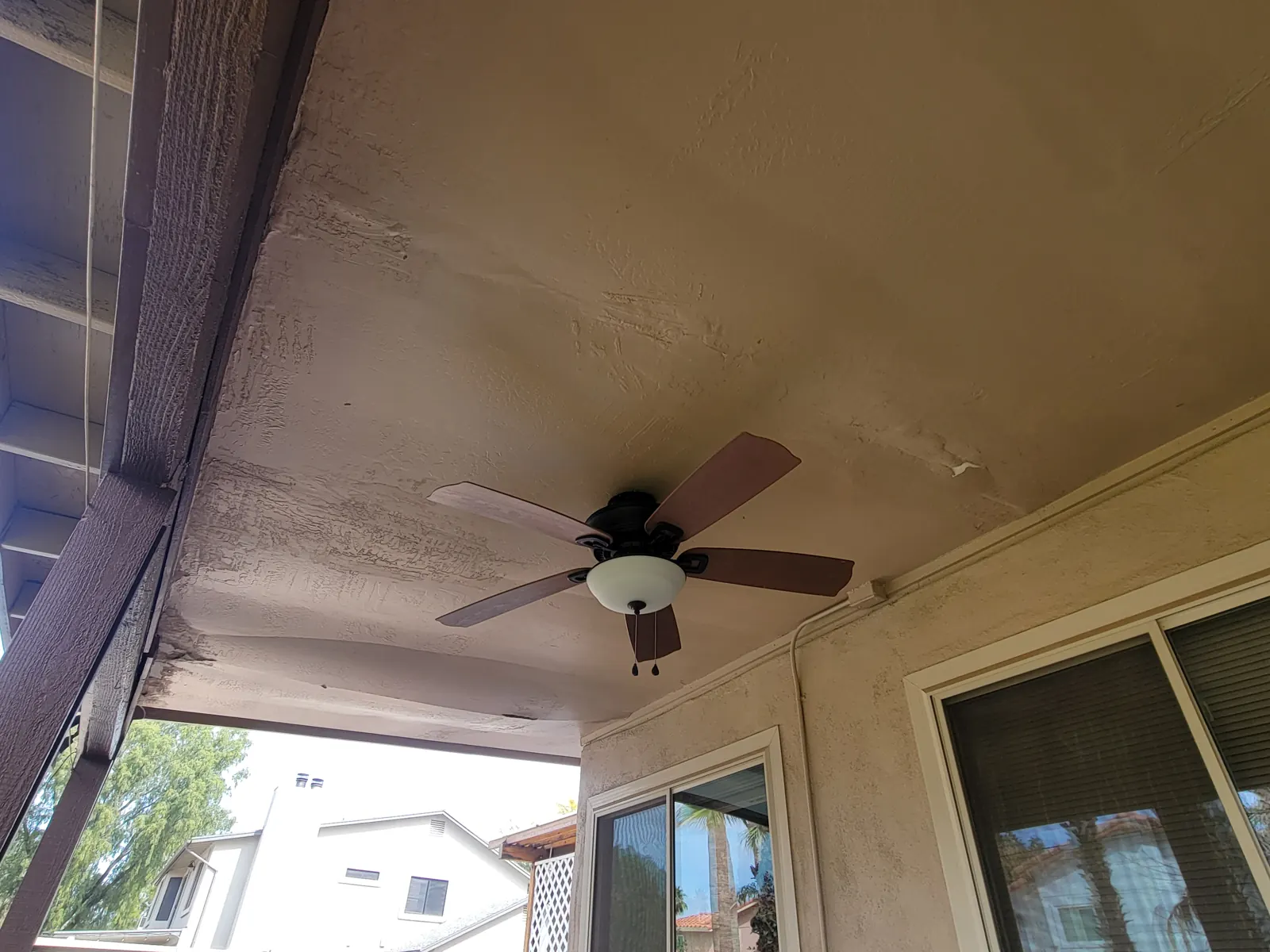
Recent Work Around the Valley
Ready to check one more thing off your list?
Free estimates. Upfront pricing. 100% satisfaction guaranteed.