
Door and Window Repair in the Phoenix Area
Doors that stick, locks that jam and gaps that let the heat in are all fixable. We install, adjust and repair interior and exterior doors, hardware and weatherstripping.
What We Do
- Interior and exterior door install
- Sticking and misaligned door repair
- Locks, deadbolts and handles
- Weatherstripping and thresholds
- Screen door repair
- Window hardware and screens
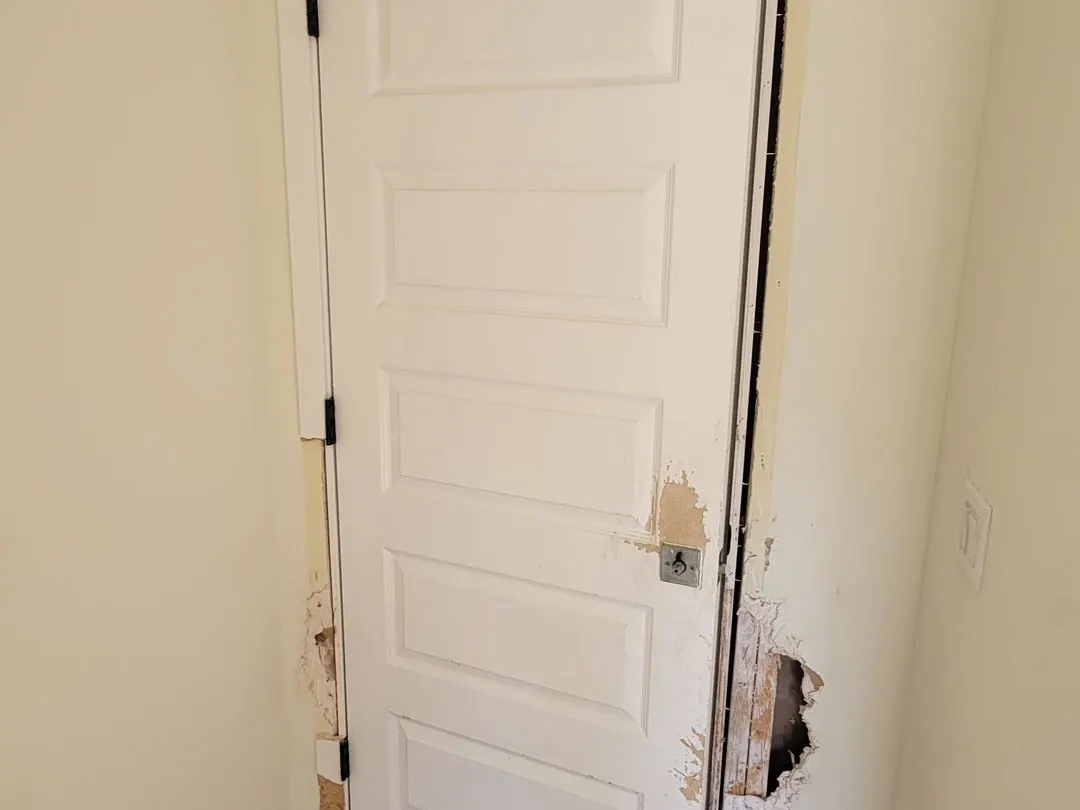
A door or window problem rarely stays small. A latch that needs a shove in the afternoon becomes a frame that no longer closes at all, and a gap you cannot see becomes a cooling bill you can feel. Most of what we fix comes down to alignment, wear and sealing, and most of it can be corrected without replacing the whole unit. Here is how we think about these jobs and what to expect.
Signs a door or window needs attention
Some signs are obvious: a door that drags on the floor, a deadbolt that will not throw unless you lift the handle, a screen that has popped out of its track. Others are quieter. Look for daylight around the edges of a closed door, a faint whistle on windy days, a threshold that feels loose underfoot, or fine dust collecting on the sill inside after a breeze.
Pay attention to when the problem appears. A door that sticks only in certain seasons usually points to the frame moving slightly with temperature and moisture changes. A door that always sticks in the same spot usually points to a hinge, a sag or a spot that needs trimming. Knowing the pattern helps us arrive with the right parts.
How a typical door visit works
We start by closing the door and looking at the gaps on all sides, because the reveal tells us where it has dropped or twisted. Then we check each hinge for loose screws, stripped holes and wear, since a surprising number of sticking doors are simply hanging from hinges that have worked loose.
From there the repair is matched to the cause. That may mean tightening or lengthening hinge screws into solid framing, shimming a hinge, adjusting the strike plate so the latch lands cleanly, planing a small amount off an edge, or re-hanging the door. When we plane or trim, we seal the bare edge so it does not soak up moisture later. We finish by testing the door through a full swing and confirming the lock engages smoothly.
- Check the gaps and the swing
- Inspect and tighten or replace hinges
- Adjust the latch and strike plate
- Trim or re-hang only if needed
- Seal any bare edges and test everything
Arizona conditions that wear on doors and windows
Sun is the biggest factor here. West and south facing doors take hours of direct heat and UV each day, which dries finishes, warps thin skins and cooks the rubber and vinyl in weatherstripping until it goes brittle and flat. We often replace weatherstripping that looks fine but no longer springs back when pressed.
Dust matters too. Monsoon season brings fine dust that works its way through any gap and grinds in tracks and lock cylinders. Sliding patio doors and window tracks benefit from a thorough cleaning and the right dry lubricant rather than oil, which turns dust into paste. Stucco homes add another wrinkle: the exterior seal where a frame meets the wall can crack, and we look at that joint when a window leaks or whistles.
Common mistakes and DIY risks
The most common mistake is planing a door that did not need it. If the real problem is a loose hinge, removing wood only leaves a larger gap and a door that never fits well again. Another is oiling a sticky lock, which tends to gum up with dust over time. A graphite or dry lubricant is the better choice for most cylinders.
Installing a new door is more exacting than it looks. A prehung unit has to be plumb, level and square in an opening that may not be any of those, and a few millimeters of error shows up as a door that swings open or closed on its own. Exterior doors also need correct flashing and sealing so water and dust do not get behind the frame. Windows add glass, which is heavy and unforgiving. We will tell you honestly when a repair is a smarter choice than replacement and when replacement is the right call.
What drives the cost of door and window work
The main factors are the type of work and the condition of what surrounds it. A hardware swap or an adjustment is a short visit. Re-hanging a door, replacing a threshold or installing a prehung exterior door takes more time and materials. Door size, material, and whether the frame is solid or damaged all change the scope.
Hardware choices matter as well. Basic knobs and deadbolts, quality lever handles and smart locks vary widely in what they cost, and we are glad to work with what you have already bought. If rot or insect damage is hiding in the jamb, that repair becomes part of the job, and we point it out before we start rather than after.
Getting ready and how we quote
Photos help a great deal. A picture of the problem door, the lock or the gap, plus a note about when it acts up, lets us plan parts and time. If you have already purchased a door, lock set or window hardware, tell us the brand and model so we can check it fits the opening.
On arrival we look at the problem, explain what we found and give you a clear scope and price before work begins. Please clear the area around the door and let us know about pets, because doors are often open during the work. If we find a second issue, such as a failing frame, we will explain it and let you decide.
When it is bigger than a handyman visit
Some window jobs belong with a window specialist: fogged or failed double pane glass, a cracked pane, or a frame that needs replacing as a full unit. Structural changes, such as widening an opening or adding a new door where there was a wall, may involve permits and a different kind of licensed work. We will say so plainly and tell you who to call. What we do best is the repair, adjustment, installation and sealing that keep ordinary doors and windows working for years.
Doors and Windows Near You
Pick your city to see how we handle doors and windows there.
Frequently Asked Questions
Why does my door stick in summer?
Heat and humidity swings make wood and frames shift. We can plane, re-hang or adjust hinges to fix it.
Can you install a new front door?
Yes. We install prehung doors, including hardware and weatherstripping.
Should I repair my old front door or replace it?
If the slab is solid and the frame is sound, repair is usually enough: new hinges, adjustment, weatherstripping and a fresh lock go a long way. Replacement makes sense when the door is warped, rotted, damaged beyond repair, or when you want a different style. We will look at it and give you an honest recommendation.
Can you rekey or replace a lock without replacing the door?
Yes. We install new deadbolts, handles and lock sets in existing doors, and we can adjust the bore and strike plate so they work smoothly. If a lock needs rekeying specifically, we will let you know whether that is something we handle or a job for a locksmith.
Why does my patio slider feel rough or hard to move?
Usually it is dirt and dust packed into the track, worn rollers, or a door that has slipped out of adjustment. We clean the track, adjust or replace the rollers, and set the door so it glides and seals properly.
Will new weatherstripping really make a difference?
Often, yes. Worn seals let hot air, dust and noise in around the door. If you can see light at the edges or feel air at the threshold, fresh weatherstripping and a properly set threshold usually help noticeably.
Recent Work Around the Valley
Ready to check one more thing off your list?
Free estimates. Upfront pricing. 100% satisfaction guaranteed.